
Downsizing Without the Rush & Stress: Why Starting Two Years Early Changes Everything
A Smarter Path to Downsizing
In this episode, Marcelo Taboada sits down with Scott Broady of the Broady Windsor Group for a engaging conversation on one of the most emotionally and financially complex decisions Canadians face: downsizing from their family home.
Scott shares why he and his team built a downsizing real estate advisory methodology — including a 7-Step Downsizing Guide, and a Downsizer Readiness Assessment — specifically for homeowners thinking about their next chapter. He and Marcelo explore the two main downsizer profiles, those individuals that end up rushing through their transition and fall prey to the “rush trap” creating tremendous stress for them and their family, and those that start preparing up to two years in advance.
They also explore how the home fits into retirement planning, when selling and renting can make more sense than buying again, and why the real point isn’t the transaction but owning the decision.
A practical, deeply human episode for anyone approaching retirement, already there, or helping others through it.
Happy listening!
Key Topics Covered
- Scott Broady’s background — from marketing consultant to real estate advisor (01:15)
- Why the BW Group focuses on life transitions, not just transactions (01:58)
- The two main types of downsizers: empty nesters (55–75) and seniors (late 70s and beyond) (04:54)
- How COVID reinforced the desire to stay home longer — and the planning trap that followed (06:43)
- Decision ownership: why being in control of the timeline matters so much (07:25)
- The rush trap — what happens when a crisis forces the decision instead of the person (07:55)
- Downsizing misconceptions: it’s not about fewer square feet, it’s about fewer rooms (09:28)
- The financial reality check: why selling a family home doesn’t always free up equity (11:34)
- Total carrying costs: taxes, heating, maintenance — have you actually added it all up? (13:31)
- The downsizing guide and workbook — what they cover and how they work (14:36)
- Real client example: planning two years out, avoiding surprises, selling in two weeks (15:18)
- The Homeowners Advisory Club and the trusted service provider directory (16:33)
- Signs it may be time to start thinking about downsizing (20:37)
- Real client example: getting on a residence waiting list and preparing the house in parallel (21:41)
- The sandwich generation — navigating aging parents and adult kids at the same time (24:10)
- How the home fits into financial planning — and when clients need to sell to retire (25:06)
- Are you moving away from something, or towards something? A critical mindset shift (36:06)
- The 10-step downsizing methodology — and why most people skip straight to step 5 (33:34)
- Sell first or buy first? The options and strategies depending on your situation (41:13)
- Cash-poor but house-rich: reverse mortgages and other options for fixed-income seniors (42:42)
- Renting vs. buying in retirement — why selling and renting often produces the happiest outcomes (48:11)
- The liquidity premium: how unlocking home equity enables gifting, travel, and flexibility (37:42)
- Why renting from a professional corporation is safer than renting from a private landlord (50:00)
- The BW Group’s upcoming AI advisor tool for 24/7 downsizing guidance (51:31)
- Where to find Scott’s guides, podcast, and YouTube content (55:19)
Mentioned in this episode:
Meet your hosts

Keith Matthews
Managing Director & Portfolio Manager



Marcelo Taboada
Associate Portfolio Manager

Lawrence Greenberg
Portfolio Manager

Jackson Matthews
Associate Portfolio Manager

Andrea LeRoyer
Tax & Client Service Associate
Read the Transcript
Keith: Welcome to the Empowered Investor Podcast, brought to you by the advisory team at Tulett, Matthews & Associates. Have you ever felt overwhelmed by the number of voices telling you how to plan or invest for your future? We’re here to help you cut through the noise, bringing clarity to your investment decisions and helping you build lasting financial peace of mind. Learn more and subscribe today at tma-invest.com.
Marcelo: Scott, welcome to the Empowered Investor Podcast. Second time?
Scott: Yes, I think it is. Thank you very much.
Marcelo: So today we’re going to be talking about the guide that the Brodie Windsor Group has prepared for downsizing. I want you to talk to us about why you created it. We’re going to talk broadly about what the issue is and what you’ve identified. And curious to know, obviously, why you settled on that niche. And I, from my perspective, know it is a big issue for Canadians. But let’s just start with you. Like, why? Because one thing comes across when I talk to you, Scott. You’re very passionate about real estate. It’s clear to me that you want to be a guide for people and you want to be an advisor, not just a transaction person for real estate. So maybe let’s just start there, like, because I know your background wasn’t originally in real estate. So maybe talk to me about your past and how you ended up here.
Scott: Yeah, it’s an interesting journey, actually. I did come to real estate after a career being a consultant, a marketing and sales advisor. I’d actually worked with Keith in a previous life in helping him with his communications and his messaging. And so I always came across as the advisor or the consultant, and I saw that that was something that was very important in the real estate world, was to get that type of advice before a transaction, right, was even on the table. And so I think that’s one of the things that we’ve done at the Brodie Windsor Group is focused on making sure that we’re helping people think through their life transitions and not just a transaction.
Marcelo: Well, the amount of content you guys produce is very good, first of all. And second of all, we can relate, and I know the rest of the team also feels the same way. We can relate in the way you’re putting out content because it’s very educational. And I think it makes people feel like you guys are putting a lot of thought into this. It’s not just like, hey, give me the sale, and we’ll see you in hopefully a few years, right? So how do you guys go through the content creation? Is that something that you’re spearheading? Is it a team approach? Like, because you have a marketing background, right? So how does that work?
Scott: Yeah, it’s definitely a team approach because we’re always looking at it from the perspective of the homeowner, right? And what are the issues that a homeowner is dealing with at various stages of their life? Very similar to you and your business, right? When you’re helping people think through, what does the next chapter of my life look like? And that could be from the time you are first getting into the real estate market and looking to buy your first property. We go through many, what I like to call life quakes, and some of them are minor disruptions and some of them are pretty big ones. You know, getting married, having kids, buying your first home, you know, losing a job.
Marcelo: Divorce.
Scott: Divorce, retirement, the death of a parent or spouse. These are major lifequakes that tend to disrupt things, and the home usually plays a very key, important role in that. And so I think our job is to help people think through how the largest asset that you have, your home, ties into, you know, how you want the next chapter of your life to look like.
Marcelo: Yeah, it is huge because it is so emotional, but today we’re going to focus on the downsizing process, and you’ve created a beautiful guide and a workbook, so we’re definitely going to talk about that. But I’ll give you a little anecdote of how I think we’re dealing with this in Canada, and then you’re going to correct me and see if I’m onto something here. So I have dogs, so I walk my dogs all the time in my neighborhood. I live in Dollard-des-Ormeaux, and one of the things I’ve seen is there’s a lot of people who are 70+ who are living in empty homes. And sometimes I chat with them, and I just ask them, like, how are you managing the load of the house and the work that it takes to maintain a house? And the general sense that I get is that they enjoy having a house, but they feel like there’s no better alternative. They always say, where am I going to go? And then one of the things that I do pick up as well is the emotional side of it. Oh, you know, this is the place where the family meets. And this is the place where everybody comes together. So I feel like if you look at the statistics in Canada as well, we’re hitting a demographic wave where a lot of people are around that age now. I mean, not the majority of Canadians, but a big part of the population. A lot of those people, like if you look at 65 and plus, they’re homeowners, right? And I have to think this is an issue across the country, not only in Quebec, but what do you think about that? And what are the things that you’re seeing on the field?
Scott: You’re absolutely right. We’re seeing exactly the same thing. Right, we’re talking to people of that age group all the time, more and more, and you’re absolutely right. When you talk about downsizers, I think there’s really 2 main sorts of types of downsizers. There’s your 55 to 75 age group, which is sort of the empty nester cohort.
Marcelo: Kids are gone to school.
Scott: My age group, the kids are at university or have just graduated, are trying to get settled and on their feet, you know, sometimes they’re going to come back and stay for a little while until they get settled, and usually they’re only going to finally leave the nest when they’ve got established, either they’re starting their own family or they’ve purchased their own property.
Marcelo: Right.
Scott: And that, as we know, is becoming more and more difficult for younger Canadians. So that’s an issue. So again, you’ve got more adult kids that are staying with their parents longer, and so that’s obviously an issue. And then you’ve got, you know, the parents of the empty nesters.
Keith: Yeah.
Scott: And I fall into that group, you know, where the seniors in their late 70s to 80s and even into their 90s who are staying in their homes longer, and we’re seeing that they don’t know where they should be going next. And there’s a lot of questions around, well, there’s nowhere for me to go, like, what am I going to do with all the stuff in my house? And like you said, you know, I want to be able to have people come over to my house, so what options are available to me? Right.
Marcelo: And I think COVID didn’t have a positive impact on that because a lot of people were saying, hey, maybe I’ll go to a retirement home or an institution that provides care where you’re like, you know, less space, more crowded. COVID actually kind of traumatized that experience. And people went back and said, hey, like, wait a second, I want to stay in my house as long as I can. So do you think that’s something that actually happened or it’s not relevant?
Scott: Yeah, I think it definitely had an impact for sure. There were seniors that said, no, I don’t want to do that. I’m going to stay in my house as long as I possibly can. I think the trap that most people fall into though is not planning that properly, because aging in place is definitely a viable option.
Marcelo: It is, it is.
Scott: You just need to have the right plan in place in order to make that happen without falling into a crisis situation where you’re forced to make a decision rather than being in control of the decision. And I think this is what we’re trying to establish here, is giving people control over the decisions. We call it decision ownership.
Marcelo: Right.
Scott: And when you have control over the decisions and the transitions and the next move in your life, as I’m sure if you’ve experienced with clients of yours, those that plan it out well tend to have much better experience rather than those who allow a crisis or a trigger event to dictate the timeline, and they’re not in full control over what’s happening, they tend to rush things. They fall into what we call the rush trap, where they’re making decisions quickly under pressure. And that’s usually not the best recipe for a really positive outcome.
Marcelo: I think that’s the worst outcome. But one of the things that I’ve seen is when you do plan it, and you start thinking about, you know, who’s going to declutter the house, right? Like, how are you setting that house for when you eventually move? It also creates an opportunity to bring the family together, and people can start looking at the memories together, go through the boxes together, you know, be together with mom and dad. Maybe the kids come together and they do that as a family. The rush trap is a real issue, but if you plan well, it can also be an opportunity to strengthen family ties. I feel like the rush trap is also a pitfall that a lot of families can fall into and create a lot of strain in a family.
Scott: Absolutely. I mean, we talked about this at the recent downsizers planning workshop that we held in Bay D’Urfe at the end of May.
Marcelo: How many families did you get in there?
Scott: We had 63 people from the West Island, right, the downsizer generation, the older generation, and none of the people who attended that workshop were planning to sell this year. So they were intrigued by the concept of maybe I should start thinking about this and start planning what does that next chapter look like and what should I be doing and what should I not be doing? ‘Cause there’s a lot of misconceptions out there about where I would go, what’s actually a viable option for me, because if you’re only thinking about downsizing from a square footage perspective, you may be missing out on a lot of opportunities.
Marcelo: So tell me more about that, like the misconceptions.
Scott: Yeah, because most people think, well, I don’t wanna downsize because I’m comfortable in my 2,500 to 3,000 square foot home. I’m not using a lot of the bedrooms upstairs. I don’t really go down in the basement that often, but I want to be able to have space for when kids or grandkids or guests come to stay. I don’t want to give up the space that I’m used to living in. So I hear this a lot if I’m not looking for smaller rooms. I’m looking for fewer rooms.
Marcelo: Interesting.
Scott: And what we seem to see on the market these days when it comes to condominiums and seniors residences, it’s the size of the rooms that tend to be not what people are looking for. Because previously a builder will tell you, you know, it’s not as profitable to build, you know, semi-detached or detached bungalows in a community. You want density and you want to go up, not out. Therefore, The types of things that were being built were 1 and 2-bedroom condos. There was a real shortage of larger 3-bedroom condos, and that’s what so many people that we talked to are looking for. I’ve got clients that said, I would move tomorrow if you found me a decent-sized 3-bedroom condo in the location that I’m looking for. I want to be walking distance to the amenities. You know, one of the most popular destinations that everyone talks about, Pointe-Claire Village.
Marcelo: Right. Right.
Scott: You know, I want to be close to Pointe Claire Village. And so the reality is there’s just not that many opportunities available.
Marcelo: And I think that’s the issue, right? I hear that a lot is where you go from, okay, I’ve made the decision to downsize. But the problem is there’s a big gap in the middle of the market. I think if we had more options there where people could say, I can buy a smaller house, release some of that equity, say you sell your house for $1 million, you can buy something for $500,000 instead of going from like big home to like a small condo. I think that’s one of the issues that we have in the country. I don’t know if this is a problem of incentives or inventory, or we don’t have the right infrastructure for this, or the right incentives to build this type of housing. Like, I don’t know what it is.
Scott: Well, I think you touched on something that’s also a misconception that a lot of people have, because again, a lot of Canadians have built up a lot of equity in their homes, especially if you’ve been in your home for, you know, a considerable amount of time. And I think a lot of people look at that as, well, that’s sort of my retirement nest egg is gonna be the value I’ve got in my home. It’s sometimes a bit of a shock to them when they come to realize that the 4 or 5-bedroom home that they’ve got, that they lived in for 30 years, but haven’t really updated or maintained that well, what the value of that in today’s market is versus what they’re looking to move towards.
Marcelo: Right.
Scott: That’s a smaller, newer property, whether it’s a bungalow, a townhouse, or a condo that’s, you know, lock and leave, turnkey. Well, if they’re looking for something that’s newer, doesn’t need the same amount of maintenance, and has the space that they’re still looking for, that’s not going to be, you know, pulling out a lot of equity from the sale of your home. It’s often trading 4 quarters for a dollar. It’s a kif-kif, and people go, what? How can these be so expensive? And then when you tap on top of that condo fees, and in today’s environment, the special assessments and increase in fees because many buildings that are now starting to age and that are starting to need a lot more maintenance and repairs, well, in the past, if they weren’t really well managed and didn’t have enough money in those contingency funds, you’re seeing a shortfall. So now people are saying, holy smokes, if I sell my house for $1 million, $1.2 million, and I’m looking for a decent-sized 3-bedroom condo, well, I’m going to be paying almost the same as what I’d be getting for my house, so I might as well just stay here.
Marcelo: Right.
Scott: What they’re also not really factoring into is what are the total carrying costs, not just financially but emotionally, And from a lifestyle perspective of keeping that home. And some people, you know, they have the financial means to be able to outsource everything. And in those instances, that’s what we say, what’s probably a good idea for you to stay. You know, if you can afford to outsource all your lawn and garden maintenance, your pool maintenance, your, you know, gutter cleaning, all of the things that you need to think about, if you can take that all off your plate, Well, then maybe that’s a good decision for you. And think about it from the perspective of paying yourself a condo fee.
Marcelo: Right.
Scott: And a lot of people haven’t done that. They haven’t added up what it costs them: taxes, insurance, heating for rooms they don’t use anymore. All of this, when you add it all up, then maybe it does make sense to move to a smaller footprint. But being able to configure it and the layout is oftentimes much more important than the square footage. Right, right.
Marcelo: Now let’s talk about the guide and the workbook. So we’ve talked about the pitfalls, the misconceptions. I want you to walk me through this. Say somebody’s ready to do this. Walk me through the guide. How can that help someone? And the workbook, how can that assist someone? And let’s say you’re planning to move, like how much time do you need to prepare for this?
Scott: Well, I’ll give you a real-life example. So from our workshop, we had 3 clients who had gone through this downsizing process. One was the empty nester that we were talking about. The kids had left, they were left in their 5-bedroom home with the pool, and it was just a question of the maintenance and the upkeep just didn’t make sense anymore. They were looking for something smaller. They weren’t ready to go into a condo apartment yet.
Marcelo: Right.
Scott: They’re still active, they wanted to be close to Pointe-Claire Village.
Marcelo: Right.
Scott: So they decided, we need to start looking at what we need to do to get our house ready to go so that we have no surprises, no sort of last-minute hiccups when we do decide it’s time to put the house on the market. So they reached out almost 2 years before they were actually planning to put the house on the market, did a full, you know, inspection walkthrough, identified things that could be fixed. You know, we told them what they should do and what they shouldn’t do, right? You know, major renovations, don’t do that, leave those to the next owner.
Marcelo: You want the house to be functional essentially.
Scott: Yeah.
Marcelo: And not with a huge issue.
Scott: You wanna take away the annoying systems, deferred repairs and maintenance, the things that buyers don’t wanna spend their money on.
Marcelo: Right.
Scott: Right? That’s what you wanna take care of.
Marcelo: Interesting.
Scott: Light cosmetic updates to make the home look more inviting, more appealing, and to give a buyer a sort of a vision for themselves living in it. They did that over a period of time and not rushed into a very condensed time period. We were able to use our trusted service provider directory to allow them to find the right professionals and tradespeople to get all of that work done well in advance on their timeline, on their budget.
Marcelo: This is a list of professionals that you’ve vetted and are comfortable recommending?
Scott: Correct. We started an initiative, you know, many years ago called the Homeowners Advisory Club.
Keith: Right.
Scott: And the whole concept of that was homeowners need advice throughout the entire journey of owning a home, not just those 90 days before buying or selling a home.
Marcelo: Right.
Scott: So again, finding the people that you can trust, rely on, that’s very difficult. People are afraid of getting taken advantage of. They want to be referred to by people in their own communities. These people have done work with their neighbours, so we’ve given them that resource to be able to give them a leg up and head start. And when we reached out to those service providers and we told them what we were doing, the result was eye-opening. When they knew that we were actually positioning them as, you know, trusted advisors, not just a service provider who’s going to call and be here today, gone tomorrow. They’re from the community. They do business in the community. They’re looking for that word of mouth. Well, the response rates were significantly higher. The quality and level of service was 100%.
Marcelo: Okay, thank you for sharing that. Where we were talking about the couple that you helped.
Scott: Yes. So, then by the time the right home that they were looking for came up and, you know, was ready to go, they were able to move very quickly.
Marcelo: Right.
Scott: So again, you’re planning over a long period of time, but when you are ready, you’re able to move quickly, and that is a huge advantage. And you know that when you put your house on the market, there’s not gonna be any big surprises. The buyer’s not gonna find anything that’s going to cause them to either back out or ask for big price reductions. So these really help smooth the transaction process and allow them to move forward. And they’d done the necessary thinking too, what they wanted that next chapter to look like. We were talking before we got on here about talking to your mother about, after she retires, don’t just think about the Sunday when all the family’s around and coming over and visiting. What about that Tuesday morning?
Marcelo: Yeah.
Scott: And what does that look like? And what are you doing? That was a great piece of advice from our workbook. And we did that in our workshop to think about what that normal Tuesday morning looks like.
Marcelo: And not in your home.
Scott: Not in your home, in the next place that you’re going to be living. Location’s so important, you know, do you wanna be walking distance to the amenities, to the coffee shop, to the grocery store, to the gym? You know, do you wanna be in an apartment building with many other co-owners? Do you understand what that entails? Or would you prefer the privacy of your own property, but you just want less to manage and maintain?
Keith: Right.
Scott: Right? And thinking through all these things about what does it look like, and even the rooms in your home, which are the rooms that you’re using on an everyday basis that if you just decided, I need to downsize to a condo, and you rushed to buy a condo and you move in, we’ve had people who have done that, jumped into making the transition, ’cause that’s what they thought they were supposed to do. That’s what their kids had told them they should do. And then before moving into the condo, actually sitting down and having a heart-to-heart conversation with one another and realizing that each one thought that the other one wanted it.
Marcelo: That’s interesting.
Scott: The husband says to the wife, well, I was doing this for you. And the wife says to the husband, I thought that’s what you wanted. And so then they decided, well, no, I’m comfortable staying where we are. And we’ve got the resources to be able to bring in the help we need. And if we need eventually down the road to get a lift because we can’t go up the stairs anymore, well, maybe we can do that. Maybe we can bring in, you know, the caregiver, Karin Saba, who was one of our guests at our workshop talking about aging in place and the resources that are available to bring in as needed the professionals and the support services that you need to be able to stay where you are. And for some people, that makes sense. For other people, maybe it’s not the right decision.
Marcelo: Interesting.
Scott: But at least having those options available to you and exploring them is the key.
Marcelo: Yeah, 100%. Now let’s talk about what are the signs that make you go or say, okay, this needs to be given some thought, or we need to start thinking about downsizing. Like, what are the signs here?
Scott: So again, I’ll go back to the workshop and the 3 clients who are on our panel are sort of talking about their experiences. I mentioned the empty nesters already.
Marcelo: Right.
Scott: Then there were the senior retirees who were living in their home in Beaconsfield. The wife was starting to show signs of cognitive dementia. And so the husband was, I want to get ahead of this. I want to make sure that we’re in an environment where my wife has got the support she needs if her health starts declining. So he was smart. He’d seen our Homeowners Advisory Club, and he reached out and said this makes a lot of sense to him. I’m not ready right now, but I want to prepare. I’ve done my rounds and looked at the different residences that are available. Cambridge is the one that really has the right support and available to us. So I put myself on the waiting list because I want a specific type of unit that’s going to suit us.
Marcelo: Nice.
Scott: Excellent, smart idea. Now he says, Scott, what do we need to do to get our house ready to go? And he was shocked to discover after doing a pre-listing inspection, you know, 6 months before, and all the things that came up that a buyer is going to see when they do their inspection. And he says, oh my God, so we’ve got to knock off this and this. And we sat down together, we said, this makes sense, this makes sense, let’s do those things.
Marcelo: Right.
Scott: Okay, let’s plan that out. Those things we’re not going to do, we’re going to declare them, but at least the buyer will be aware. Excellent. So fast forward 6 months, he gets the call from Cambridge. Hello, your unit’s available, ready. Call me up, okay, we’re ready to go. Let’s get the house now finally staged. Because in the previous months leading up to it, we’d referred her to the estate sale lady because he had some valuable furniture that he wasn’t going to be taking with him. So that was all organized. And, you know, the stuff that he wasn’t going to take with him that wasn’t that valuable, well, then that was, you know, coordinated to be given to Nova or to other organizations. We had the stager come in and plan all this out for him, saying, this is what we’re gonna keep, and here’s what you’re gonna be taking with you. We’re gonna get rid of the rest. We’re gonna stage the home so that it’s gonna look beautiful when we put it on the market. So by the time we were ready to go, within 2 weeks we were ready, put the house on the market, and he had an accepted offer within two weeks. That’s the exact reason why planning ahead matters.
Marcelo: Right.
Scott: You put in that time to plan in advance, because at the end you’re moving quickly, but you’re not in a rush and you’re not stressed at all.
Marcelo: Yeah. It makes me think of, I don’t know if you know the comedian Jimmy Carr.
Scott: Yes.
Marcelo: Yeah. So he’s excellent, right? So he was talking about how he prepares for shows and he’s like, ’cause you see him live, like it looks so seamless and beautiful and articulate and like he’s like just making it up all there on stage. And he’s like, no, like there is a ton of like open mics and prep. Like the guy who shows up and looks confident on the stage and looks like it’s all natural is the guy who’s put in the hours and hours and hours hours of work, which is interesting because you don’t see that, right?
Scott: But here’s where it’s not the hours and hours of work, because you have a team behind you, right? Right. You’ve got a team helping coordinate all these things and bringing in the right people to help you do all these things in a manageable way. So it’s not a mad panic within a 2 to 3 week period where that is where it gets very stressful, especially the older they are. If they don’t have family in town to help them, it becomes even more of an issue.
Marcelo: That’s true.
Scott: And even when they do have family, you know, the sandwich generation, right? I’m stuck between the aging parents and my kids, and they’re at an age now where they still need support and they’re going through their own transition issues. So I’m helping them. I’m also figuring out what’s going on with my career, my life goals and retirement planning, and I’m trying to manage this with my kids. So if I can get this decision ownership where I can map out what the next 10, 15, 20 years look like, you’re doing it with your clients all the time, right?
Keith: Right.
Scott: So I wanted to ask you, sort of, when you sit down with clients and talk about, you know, what does the future look like and will I be financially secure and be free to do the things that I want to do and will I have enough to fund the lifestyle that I want, Where does the home tie into that conversation?
Marcelo: Yeah, it’s a great question. I think it’s up for debate. If you get 10 financial planners in a room, there’s going to be a lot of disagreement, I think. But I love to plan, and I think everybody else here does the same. Because TMA, you know, we follow the same approaches. There’s not like one person doing something different. So it’s very uniform for the client. And we all share ideas. So it’s pretty great in that sense. But what we tend to do is when we put up the plan and the financial projection, we want people to be in a place where they don’t need their house to retire. So we want them to be in a situation where we’ve tested the plan, we’ve tested the income. There’s all this sort of stress testing you can do on the plan. And then you want them to be in a place where, hey, you don’t have to sell your house. If you end up selling your house, it’s just gravy for the plan. Now, reality is you don’t get the perfect client all the time where you’re working with them when they’re 40 and you’re walking them all the way through their prime years and then retirement and then their last years of their lives. Most of the time, a lot of people come in different situations and they have to catch up. And they are in a situation where they’re going to need that equity in the house to retire. So sometimes you do have to have that conversation and say, hey, you know, the plan looks great, but you’re going to have to sell your house around 75 or 80. So that’s a bit of a shock for people sometimes because unless they’re willing to make a compromise, right? Because that’s the misconception too. Like an advisor, a planner, like we cannot work magic. We have constraints and the constraints are set by reality. Right? And sometimes people say, I want to spend $150,000 after taxes, but you’ve only saved $500,000.
Scott: That’s what I was going to say. Do you have people that come in where they’re pretty close to retirement and you look at their situation and you go, you’re not ready?
Marcelo: Yeah, you’re not ready.
Scott: You’re not ready. So you’re going to have to make some big compromises.
Marcelo: Right. You either work longer, take more risk, which is not guaranteed because, you know, the markets are the markets, or you’re going to have to compromise on how much money you spend. And, you know, It’s fair to say, Scott, like, you know, this applies to me. Like, nobody wants to retire and have a downgrade in lifestyle, right? So yeah.
Scott: Well, I just had this situation recently where a couple came to us, and they’re probably close to their 80s, somewhere in the late 70s, and still working. And it has a sizable mortgage still on the property. And the decision was, we need to sell this house. My wife recently had a fall. My daughter’s found a bungalow that’s on the same street that she lives in, so that would really alleviate a lot of the issues. We’ll be close to our kids and grandkids. A smaller home, we’ve just got a bungalow. But that’s a classic example of the rush trap, because when you take a look at the financial anchors of what is the current home worth in today’s market, and what is the newer, larger bungalow that they’re looking to purchase? Does that make financial sense at their age? Given what they can expect to pull out of the home that they’ve been in for the last 20, 30 years.
Marcelo: I started working recently with a couple who’s in their early 80s. They were DIY investors, and now the husband has had some health issues. So now they come to hire a firm like ours because now he’s concerned, what happens to me when I’m gone, right? Like, who’s going to take care of my wife? So we started working with them, and one of the things we uncovered is like, yeah, the house is a burden for you. They’re like, okay, we need to start thinking about downsizing. And those are great opportunities that we get to sometimes be like the triage officer at the hospital where we can start to identify these issues and be like, hey, we need to put a plan in place so you’re not caught in a rush trap. And then, you know, your kids end up fighting because they have to go in and fly in and help you move. And then you’re fighting with your wife because you have to get rid of stuff and you don’t want to get rid of that. And it just creates a bad situation overall.
Scott: Absolutely. And I think the reason for people falling into the rush trap is because there’s an advice gap.
Keith: Yeah.
Scott: There’s a gap there that people are not getting the right advice. I think that’s the reason why we put this workshop and these guides and these assessments together. So we also have, you know, a very short 3-minute assessment that people can take that really asks them questions around their emotional readiness, their financial readiness, and their logistical readiness, the state of their home. Is it ready to go on the market tomorrow, or do you need to do some serious decluttering and get rid of a lot of stuff, which is the most difficult for the older seniors?
Marcelo: So, so difficult.
Scott: And they just bury their heads in the sand and say, I don’t even want to think about this. And that’s where, you know, the earlier you start, the better. And when we sit down with people like you, the clients that have started when they’re 20 and understand the value of compound interest and have got a plan, And they set it and forget it. They come back and now look at you. Well, we’re looking pretty good, right? And the house is just gravy, and we don’t need that to fund our retirement. Whereas people that have not done that and are coming to you at the end, they’re in the rush trap. And we’ve had other instances. Just had this too: a family whose you know the husband and wife, the wife got Alzheimer’s, was moved to a long-term care facility. The husband was aging in place, he was staying in the home, but he wasn’t having the conversations with his family. So the adult kids had no idea what was going on with the estate or the will. If anything was to happen to him, they had no clue what was going on. So that can cause a major crisis because if something were to happen, and let’s say the home was being left to the wife, and the wife is incapacitated, she’s not able to make decisions on her own.
Marcelo: That’s a bad outcome.
Scott: They can’t sell that house, and they can’t get a mandate after she’s been diagnosed with Alzheimer’s. So then that goes into what’s called tutorship, which is not something that you want to get into.
Marcelo: It’s a bureaucratic nightmare.
Scott: Exactly. So having those conversations early, having the conversation with your parents and saying, what do you want? What do you want the next phase to look like? Do you want to age in place? Have we done the analysis on the financial anchors? Are we able to do that? Or if they say, no, I’m planning to do the downsize move, I’m ready for that, let’s start planning that. Okay, same thing. What is your house worth today? What’s the value in today’s market? What is it going to cost for the next move, either a purchase or a rental? And do we have enough to make that a reality without being pressed and too tight?
Marcelo: There’s two things I want to ask you: how do you overcome one of the biggest hurdles that I see from my end, and again it’s very limited because we deal with everything not just the housing right, but how do you get somebody to go over the hurdle of the emotional side? So people have come to the conclusion that it’s too much physically, it’s very taxing, they’re having issues with keeping up, and maybe they have the money, but they just don’t want to deal with the house anymore. How do you get them to emotionally say, OK, I’m ready? The family will not have a place to gather anymore, et cetera, et cetera.
Scott: Yeah. My family was a perfect example where my mother, after the kids had left the family home, she decided to make a change. She had originally converted one of our bedrooms into her office, but then found that she was running up and down the stairs constantly and decided maybe the one-floor living was a better option. And then looking back on that, looking at what she went through and found that executive bungalow with the 2-car garage and the living space on one floor. But the cost of that house was more than the family home she had sold. So my parents had the financial means to make that happen.
Marcelo: So she had to sell and then put more money on.
Scott: Exactly.
Marcelo: Okay. Yeah.
Scott: So that’s what I’m saying. Not everybody will be in that situation. But if they’re making a lateral move, some people are okay with that because of the lifestyle, correct? Because of this, this is what I want and I’m willing to sacrifice financially for it because I don’t need the proceeds and equity from the home in order to fund my lifestyle. Like the ones who moved into Cambridge, he said, no, I’ve crunched my numbers, I knew what my carrying costs were, and I knew that, you know, we could do this without having to dig into my pension retirement savings.
Marcelo: Okay, so let’s say somebody wants to go through the idea of downsizing and the process of downsizing, how does that look mechanically? So I know the Brodie Windsor Group has a methodology, about ten steps. So how does that work and where do you see people make pitfalls?
Scott: Yeah, the biggest pitfall they run into is they go right to step 5, which is looking at properties and where am I going to go. I start looking at condos and retirement. That’s absolutely important to do. It’s The sequence of things, you need to get around the emotional and whose decision is this? Is this your decision or is it your kid’s decision? Is it your wife’s decision or your husband’s decision? Like the couple I was referring to. Making sure you know why you’re doing this and what you want tomorrow to look like. That’s where most people don’t start. And then it’s a question of the financial anchors of knowing the realities of, you know, what is the home worth today, what can I do to make it more appealing and sellable when it is time to make that move? It’s kind of like business owners, right? There’s a very strong parallel between homeowners and business owners, and there was a great book called Built to Sell by John Warrillow.
Marcelo: Yeah, you were mentioning before.
Scott: And in my past life as a business consultant, I would walk business owners through what was called an assessment. It was a value builder assessment to assess how sellable was their business. Did this business rely solely on you, or did you have a system in place that could run without you being there? Obviously, that would be more valuable. But according to his research, 76% of business owners were not ready to sell when they decided it was time. So emotionally they were ready, but they weren’t ready for what was coming after. So either they were done, they were burnt out, they were at retirement age, I’m ready to go, let’s sell the business. But then once the business was sold, they were like, what am I gonna do with myself? Because that was tied to who they were, it was an identity.
Marcelo: Right.
Scott: And for downsizers who have been in their homes for 20, 20-plus years, the same thing. The house is not just an asset, it’s part of who they are. It’s an autobiography. It’s their memories. It’s where they raised their kids. So this has to be done slowly and with the family as part of that conversation, and then helping to picture and plan for what that next stage will look like. So that’s super important.
Marcelo: Yeah, I think it’s like people will go through a grieving period when they sell their home because there’s so many memories tied in there. There’s a real element of nostalgia in there.
Scott: And the other point, too, is trying to get them to think, are you moving away from something, or are you moving towards something?
Marcelo: Yeah.
Scott: There’s a big difference.
Marcelo: That’s a huge difference, yeah.
Scott: So if the reason for downsizing is to move away from something, that’s a loss.
Marcelo: It’s going to feel like a loss.
Scott: The stairs are too much, or, you know, I just don’t want to cut the grass anymore, or I’m walking past the room, the empty room where my daughter used to be, and I’m like, oh, I feel sad now. So is that why you’re moving, or is it I’m excited about moving close to, you know, the village and being in a home that I can just, you know, lock and go travel for a month.
Marcelo: Well, what’s tough is that it’s probably going to be a mix of both.
Scott: Yeah.
Marcelo: And you’re going to have a combination of those things. So I think the tricky part for you or myself when we bring up these ideas is people have to do two things: get the advice, and then act on the advice, and I think that’s where the obstacle sometimes is. You almost have to tell the person, “Look, at the end of the day, the decision is yours, but this is what could happen, and this is what could go down.” And at the other end of it, this is how your life could look like. I tend to do that when I do the planning, and I say, “Okay, if you do sell your house and you downsize, like think about it as a possibility.” Now you have what I call the liquidity premium, right? Like, all the equity you had in the house, maybe you weren’t planning to use that for your retirement because you were safe. Now you can give money to your kids. And, you know, one of the things that you do realize is that it’s way more impactful to give money to your kids when they’re 40 or 45 than when they’re 65 or 70 and they’ve finished paying their mortgage, their careers are all done. You want to help your grandkids maybe with setting up a fund for education or real estate.
Scott: Yeah.
Marcelo: Now you have that possibility, so I help them see the other side of it, not just what they’re losing.
Scott: Exactly. And it’s the same thing. I think that’s why what we do is very closely aligned. And why I keep saying is that homeowners need to have an A-team of advisors. The financial wealth management advisors like you, you know, they’ve got notaries, lawyers, estate planners, tax consultants, so helping them with that side. But then real estate advice plays such a key role in that because it impacts a lot of the financial decisions and the family decisions. So having all those people together and understanding and having a broad perspective of the whole game board is invaluable. And that’s where you said, it’s like, what are the traps that people can fall into if they don’t do this? They push it down the road, they push it down the road, and then finally something happens and they end up with an outcome that was not ideal, was not what they envisioned, when they could have significantly improved that outcome by just having a little bit more foresight. And that’s why we really started, you know, putting these tools together and these assessments together, is because we were having these conversations already all the time with people, and people were showing up in the rush trap, and we were trying to help them as best we could. Like you said, we’re not magicians. We have to work with what we have. We’re trying to get through this very stressful period in a short period of time and get their home sold or help them purchase another property. But man, it could have been so much smoother.
Keith: Yeah.
Scott: And when people come saying, this is what I’m looking for, then that’s music to our ears, right? When I had a call the other day from somebody who said, yeah, I’m going to put my name on the waiting list, and I’m ready to do this, and I need to know what we should be doing. And I’m not in a rush, and this could be sort of a year from now, right? Beautiful.
Marcelo: Okay, so you said one of the mistakes is going from point number 1 to point number 5, which is actually looking at the options. But when you look at a proper transaction, like, how long can that take, go through the 10 steps?
Scott: So it’s not about your timeline, it’s about your readiness.
Marcelo: Interesting. Okay.
Scott: How many gates have been opened that need to happen? And that’s the question we always ask. What needs to happen in order for this outcome to be achieved? And there are gates that need to be opened. I was talking about the gates of mandates when you’re talking about estates and deeds of transmission that need to be done. A lot of people are not aware of all the legal paperwork that needs to get done before a property can be sold.
Marcelo: Oh man, yeah.
Scott: Right, and there’s all the paperwork that comes with that.
Marcelo: People don’t even know the hidden costs sometimes.
Keith: Hidden costs.
Marcelo: You know, they think they’re going to walk away with like, oh, my house is worth $1 million, I’m walking away with $1 million.
Scott: So that’s another thing, you know, part of the assessments and the tools is getting a professional to come and say, okay, it’s not just what your home is worth, it’s what you’re walking away with in net proceeds after all the costs are accounted for: moving, preparing the home, commissions. All of those things need to be taken into account. Plus, what’s the purchase going to cost you or the rental going to cost you?
Marcelo: That’s an excellent segue for that. So before I ask you whether you sell and buy something else or rent, what happens with buying or selling? Which one comes first? Because, for me, I’m not a real estate person. Like, I always worry about how this, like, logistics work.
Scott: Like, the answer is always it depends on your situation, because again, we have some people who, you know, I don’t want to run the risk of selling my house and then not being able to find my next home. I don’t want to have that pressure on me. Or others will say, no problem at all, I’ll sell my house, I know exactly what I’ve got. If I don’t find what I’m looking for, I’ll rent for a year.
Marcelo: Okay, interesting.
Scott: And then, and in that time, I’ll be able to find the right house that I’m looking for and make that work. The other option is some people have the financial capacity to purchase before they sell. They don’t have a mortgage, they’ve got the funds to either purchase it outright. If you’re retired, you’re probably not going to be approved for a mortgage, which is why, you know, the mortgage brokers will advise you before you sell, make sure you get a line of credit on your home.
Keith: Mm-hmm.
Scott: If you’ve got a considerable amount of equity built up there that you can then use to purchase the house and then pay it off once you’ve sold your primary property.
Marcelo: Interesting.
Scott: So these are strategies again to walk through with your real estate advisor, your mortgage broker, your financial advisor, yeah, and talk about how all these things will fit together because there’s many options. And then you get some people who, you know, they’re widowed, they’re on a fixed income, they’re still in the family home they’ve lived in for years, but the cost of living has gone up.
Marcelo: Oh yeah.
Scott: Right? Taxes have gone up as appreciation of properties has gone up. And you get some people that are saying, I can’t really afford to stay in my house anymore, although I’d love to.
Marcelo: So now your net worth keeps going up, but you’re cash poor.
Scott: You’re cash poor. So what are some options and strategies available? There’s reverse mortgages, which again, I’m not the expert on this. That’s again, a mortgage broker would be able to sit down and discuss those options with you, but there are options available to be able to, you know, pull out some of the equity out of your home to fund your lifestyle.
Marcelo: There are options. The common theme is plan it with time, give it some thought, get the proper advisory around you, and then deal with that. That seems to be the common theme.
Scott: Yeah, I think we’ll be putting on more of these workshops, right? Because I thought the feedback we got was This was not a seminar where we were standing up there telling you what you should do because we didn’t have the answers, just like you don’t have the answers. You just alluded to that. Our job is to ask the right questions in order to get you to think about your situation, and the answers will reveal themselves. So we’re pulling the right answers out of you and helping you put them down into this workbook and helping you create a life transition plan or a readiness plan. That’s what we’ve been doing now, and people have found it extremely helpful because the feedback I’m getting is, wow, you really helped us think through things that we hadn’t really thought of before. And when we thought of real estate, we thought it was just a transaction.
Marcelo: Well, the transaction is the tip of the iceberg.
Scott: Tip of the iceberg.
Marcelo: Yeah, you gotta think about all that stuff, you know, like what are you gonna do on a Tuesday, your identity, like how will the family come together, the emotional side, the decluttering, like it’s, it’s huge.
Scott: I had another client out in Centreville where, you know, she was looking to move to their new rental building at Square Bellevue that they’re building and, you know, wanted to sort of time it. So when would that rental building be available? So we put her in touch with the people over there. She went and found the right-sized unit that she would be comfortable in, her and her husband. And then it was, okay, what do we have to do with our house? And I got a text from her the other day. This was probably after we’d started the process in the spring. It was probably April or May when we started this process. And of course, a laundry list of things that were needed to be checked off. And she texted me the other day. Now I see why you advise people to start this a year or 2 before they’re ready. It’s like, this is making things so much easier at the end of the process. So interesting.
Marcelo: So let’s talk about people actually downsizing. What is the distribution of outcomes that you see? Is it more people selling and buying something else or renting? If they’re buying something, are there actually smaller houses, condos? Like, what are you seeing out there?
Scott: A real mix. I mean, it depends on the lifestyle of the person. Some people are saying, yeah, I’m ready to go into a condo. I just want the lock-and-leave lifestyle. I don’t want to worry about anything. As long as you’ve done your due diligence and you’ve had your broker really dig into the condo’s financial statements and, you know, contingency plans. Do they have enough in the contingency fund to fund future repairs, or is that going to be a shock where they’re going to start, you know, slapping special assessments on you? So being aware of all those things before you make the move, very important. Other people are like, nope, condo living is not for me. I don’t want that. I’m still able, and I want to have a little backyard. I just don’t want a massive backyard. You don’t care. I don’t want the pool anymore. So in that case, it’s like, okay, well, I want something newer that’s going to require less maintenance, and I can hire the people to do the sort of the grass and the snow. That’s fine. And then you’ve got other people who are saying, well, I’m not really downsizing from a square footage perspective. I’m downsizing from a lifestyle perspective. I may be coming from a much, much larger home, but I still want the space for my family to come and gather and my kids to come. So I’m really not really concerned about this from a financial downsize. I just want a different location, maybe less yard, less lot size, but I still want the space in the home that I’ve got before. So you’re seeing a variety of differences. And then the older ones again are looking at going, does it make sense for me at 80 to go and purchase a condo?
Marcelo: Yeah.
Scott: And deal with that? Or does it make sense to sell my house, invest the proceeds, and you tell me what I could be earning on my money versus buying a property, and who knows what’s going to happen there, and then have to deal with all that and leave that to my kids to deal with if something happens to me. I think I’ll go into either a rental building if I want to be autonomous, like a 55-plus apartment building,
Marcelo: Right.
Scott: that has all the amenities I want. Or if I want the community of a residence like the Cambridge, where, you know, my client, for example, told me, he’s like, my, my social calendar’s chock-a-block full now. I’m doing all kinds of stuff that I never was doing when I was at home just sitting there by myself.
Marcelo: The social aspect is huge in retirement homes, and I think people tend to discount it very easily. I always say, give it a chance. We had this in my family, with somebody we know. They were so resistant to the idea of going to a residence. And now he’s like the president of the committee and vice president. And he’s friends with everyone.
Scott: I hear that all the time.
Marcelo: Yeah. And now the person’s thriving. But going back to what you were saying, if I look at my client base and from the feedback that I get from the team here, if you look at the people who have downsized, by far the people who are the happiest are the ones who sell and rent. And I think what’s interesting about that, and again, it’s anecdotal, Because I have a small sample. What I see is we go back to the liquidity premium. You get to get this huge chunk of equity. You get to invest it. You feel more secure about your retirement. You can now do things like gifting and advancing some inheritance. And also, something breaks, you call someone. Something needs fixing, you call someone. It’s really not your problem anymore. You can travel for 2 months if you want. You can go to Florida. You can visit your aunt in Australia. So I think people also discount the flexibility and freedom that comes with renting. And to me, the biggest hurdle is to make people go over the obstacle of thinking that renting is just throwing away money. It’s not, right? Like, what are you getting out of it, right? And I think that’s where, like, the advisory has to come in and say, these are the options. Again, the decision is yours, but like, this is how I would think about it.
Scott: Exactly. It’s like my client was telling me this morning, he says, there’s more than just the financial side.
Keith: Oh, yeah.
Scott: There’s more that goes into that decision. And for him, it was, I wanted the security of care should something happen to my wife, or we needed that extra service, or if I needed the meal plan, it was there. So then it’s a question of, it’s all done. I don’t have to be the one coordinating everything, bringing in outside nurses, bringing in meal plans, things like that.
Marcelo: Yeah. One of the things I’ve heard, and this is from doing research online, that the consensus seems to be that if you’re going to sell and rent, go rent from a professional corporation.
Keith: Yes.
Marcelo: Because the risk with renting from a mom and pop is that they’ll say, hey, I want to move in with my grandmother or I want to sell the place. And now you’re in a situation where you may have to move. So like even in renting, there are some nuances and things you have to think about.
Scott: Exactly. Yeah, that’s an excellent point.
Marcelo: Yeah. Okay. So look, I think this is an excellent conversation, Scott. I think this is a good place to end. If you were someone in your 60s, 65s, and were having an inkling that maybe it’s time to start looking at this, what should this person do? Like, what’s the first thing to do?
Scott: They should reach out for just a chat. That’s it. There’s no pressure here to transact or to do anything. It’s a question of giving people the information they need to make better decisions and to have control. That’s what we’re saying.
Marcelo: Own the decision.
Scott: Own the decision. Yeah, decision ownership. That’s sort of what I want everybody to think about is we are decision ownership advisors, and we’re helping you own your decision before a trigger event happens that is making the decision for you. And I think, like you said, all the diagnostic tools we’ve got, the guides, you know, we’re going to be launching this very soon, is an AI version of us, or as a real estate advisor. Because what we found is there’s so many people out there that call us up and say, I don’t want to bother you because I don’t want to waste your time. I’m not ready to sell, but could you answer a few questions for me?
Marcelo: Yeah, yeah.
Scott: So we’ve developed so many frequently asked questions and we’ve had so many conversations, we’ve sort of trained this AI bot to help people just start thinking about thinking.
Marcelo: Yeah.
Scott: Because that’s really the most important type of thinking.
Marcelo: Right, right.
Scott: And if you can sort of combine that with the human advisor, and you’ve got the local knowledge, the micro-market knowledge of the West Island, and you’re going in there and you’re saying, well, here’s sort of my situation and here’s what I’m sort of starting to think about, it can then start prompting you with these diagnostic questions. I would highly recommend and advise people to reach out to us because we’ve got these resources available. We’re going to have this 24/7 AI clone that you can chat with. And people say, well, why can’t I just go on ChatGPT or Claude? And the answer to that is the large LLMs will give you broad, you know, general knowledge, but they won’t put the context around it.
Marcelo: Right.
Scott: So the local specific knowledge of real estate here in the West Island, and what you’re talking about with downsizers, empty nesters and seniors, that knowledge that comes from having worked with hundreds, thousands of people over the years really helps to really put context around the situation that people are going through. And then when you’re ready, you reach out to us, we sit down, we have a meeting with you, and we put together a readiness plan. And we can update this on the fly as things change. As you start knocking off, you know, and opening gates and you become more and more ready, then you will feel much more confident and have more clarity over the whole process. Because just like we said with business owners, you know, the research that John Warrillow had done was 76% of business owners who said they were ready to sell were not really ready when we dug under the covers.
Marcelo: Right.
Scott: And I looked at our diagnostic assessments, and it was exactly the same thing. For downsizers, 76% were thinking about it, were ready to start, but were not ready either emotionally, mentally, or financially and logistically. So helping get guided through that process is going to make a big difference, I think.
Marcelo: I see so many parallels between having a proper integrated financial plan and going through this decision with the sequence that you’ve created, because I think what comes at the other end of it is like, it’s a feeling of clarity and relief, and knowing that you’ve done the steps and you’ve done the work, and the outcome is going to be a good one, because you’re going to walk out of that decision feeling very confident that the work has been done.
Scott: It’s exactly the same. Like, your clients come in and meet with you, and they walk out of there, it’s peace of mind. It’s like, I know I’m going to be OK. I’m on the right path. I’ve got a plan in place. So it’s the same thing. Don’t just give people a bag of doorknobs and say, figure it out on your own, because that’s what people have been left to do. In the financial world, they’re becoming more educated, right?
Marcelo: Super more educated.
Scott: You told me that. They’re coming now realizing, I should be thinking about this and this and this. But they still need that professional advisor to put it all together into a framework. They know what they should be doing, but how do I actually do it?
Marcelo: Not only that, but also keep them accountable on the execution.
Scott: That’s right.
Marcelo: That’s the key one, because I can know all this, but if I’m not accountable. That’s where you, or somebody like me, can come in as an advisor and keep people accountable and then help you look at the different options. Sometimes people have a hard time taking the leap. Some people are very actionable, but some people need somebody to lay out the options for them and say, hey, we agreed on this. Where are we on this?
Scott: Here’s the roadmap. Here’s where you are. You know, right. What’s next?
Marcelo: Perfect. So look, we’ll put all the information, but generally speaking, where can people find the guide, your content, your podcast, everything that you’re producing?
Scott: Yeah, we’re the Brodie Windsor Group Podcast, wherever you get your podcasts. We also have a YouTube channel where a lot of our educational content resides. And then obviously the website, which is brodiewindsorgroup.com. Yeah. And then reach out if you have any questions at all. Be happy to just sit down and have a chat.
Marcelo: Absolutely. Scott, thank you so much for your time.
Scott: Thanks, Marcello. This was great.
Keith: Thanks for listening to the Empowered Investor Podcast, brought to you by Tulett, Matthews & Associates. If you’ve enjoyed today’s episode, be sure to follow or subscribe and share it with somebody who wants to invest with clarity and confidence. To learn more about how we help investors build lasting financial peace of mind, visit us at tma-invest.com. Until next time, stay informed, stay empowered, and stay on track to your financial goals. Investment and investing strategies should be evaluated based on your own objectives. Listeners of this podcast should use their best judgment and consult a financial expert prior to making any investment decisions based on the information found in this podcast.
Be sure to subscribe on Apple, Spotify, or wherever you get your podcasts. And feel free to drop us a line at lawrence@tma-invest.com or 514-695-0096 ext.112. Follow Tulett, Matthews & Associates on social media on LinkedIn, Facebook, and more! Follow The Empowered Investor on Facebook, LinkedIn, and Instagram
Dive Deeper: Related Episodes
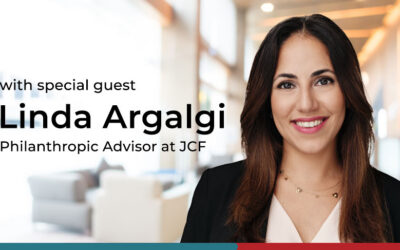
Your Money, Your Legacy: How Donor Advised Funds Work
CPA and Philanthropic Advisor Linda Argalgi breaks down donor advised funds and how they compare to private foundations, tax efficiency, legacy planning, and who benefits most.

How to Maximize Your Charitable Impact in Canada
Generosity can be tax-smart and work harder. Discover the tax-smart way Canadians give—donating securities to skip capital gains and giving more to the causes they love.

How to Manage the Financial and Emotional Reality of Aging Parents
Beth Pinsker, CFP professional, journalist and author talk about proactive financial caregiving: legal documents, banking access, and conversations that protect aging parents and preserve your family legacy.
Stay on top of your financial education
Subcribe and follow to get updates on important wealth management topics.

Our Approach
Contact
3535 St-Charles Bvld
Suite 703
Kirkland (Québec) H9H 5B9
Connect